How Ozone Disinfection Works
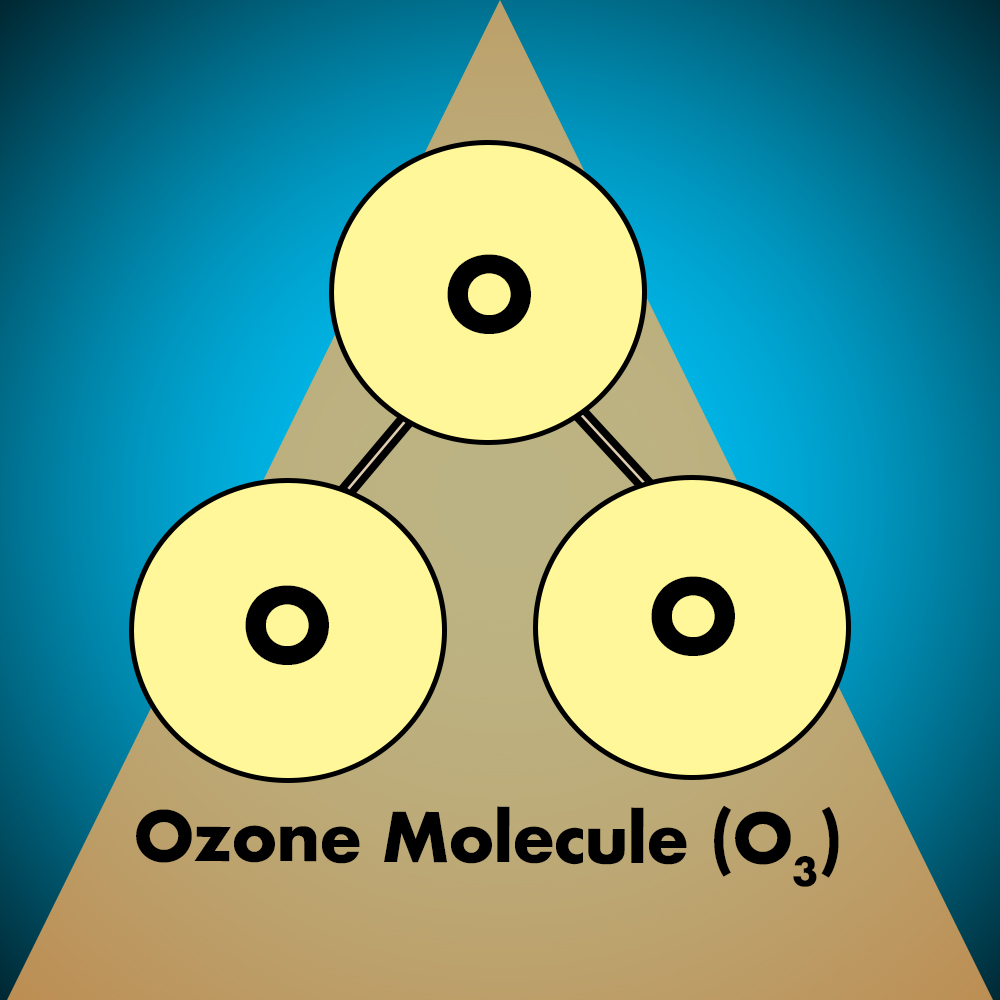
Ozone disinfests water through oxidation, a process where ozone molecules (O3) react with harmful contaminants like bacteria, viruses, and protozoa, breaking down their cell walls and killing them. Ozone’s highly reactive nature allows it to rapidly oxidize and neutralize these pathogens, making it effective and efficient. Ozone is a gas that is naturally present in our atmosphere. Ozone has the chemical formula O3 because an ozone molecule contains three oxygen atoms .
- Ozone Generation – Ozone is generated from oxygen (O2) using electrical discharge or ultraviolet light.
- Ozone Dissolution – The generated ozone gas is then dissolved into the water.
- Oxidation Process – Once dissolved, ozone molecules react with the contaminants in the water.
- Contaminant Desctruction – Ozone’s strong oxidizing power breaks down the cell walls of bacteria, viruses, and protozoa, rendering them harmless.

Advantages of Ozone Disinfection
- Effective against a wide range of microorganisms – Ozone is effective against various bacteria, viruses, and protozoa, including those resistant to chlorine.
- Faster disinfection – Ozone is a faster disinfectant than chlorine, purifying water 3000 times faster.
- No chemical residues – Ozone decomposes back into oxygen, leaving no harmful chemical residues in the water or air.
- Safe for the environment – Ozone is a naturally occurring substance that is quickly dissipated and does not contribute to long-term environmental pollution.
- Effective at removing taste and odor – Ozone can also remove unpleasant testes and odors from water.
Benefits of Ozone Disinfection
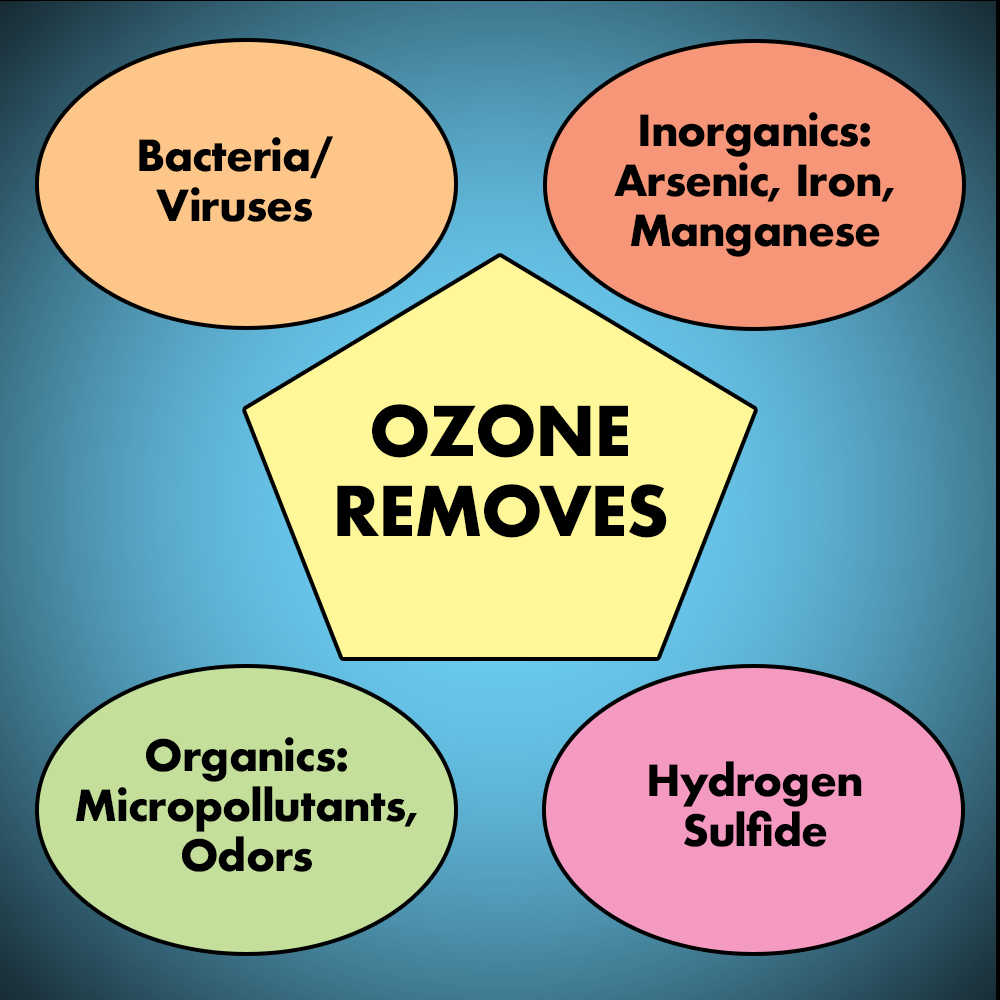
- Improved Water Quality – Ozone removes contaminants and improves the aesthetic quality of drinking water, reducing iron, manganese, and sulfur.
- Reduced Taste and Odor – Ozone helps eliminate unpleasant tastes and odors in water.
- Safe for Consumption – Ozonated water is safe for drinking and use in various applications.
- Impedes Bacterial Resistance – Unlike some chemical fungicides, bacteria cannot develop resistance to high concentrations of ozone.
Ozone Disinfection Applications
- Drinking Water Treatment – Used for disinfecting water supplies, including well water and bottled water. Ozone is used to disinfect drinking water removing bacteria, viruses, and other contaminants.
- Food Processing – Ozone is employed in food processing to sterilize equipment and surfaces. Ozone is used in food processing and storage to reduce microbial contamination and extend the shelf life of products.
- Air Disinfection – Ozone can be used to disinfect air in enclosed spaces like buildings and hospitals, though it’s important to ensure safe concentrations and proper ventilation.
- Surface Disinfection – Ozone can be used to disinfect surfaces in various industries, including hospitals, food processing facilities, and water treatment plants.
- Wastewater Treatment – Ozone is also used in wastewater treatment to disinfect and remove contaminants.
- Aquaculture – Ozone can be used in aquaculture systems to prevent and eliminate fish diseases.
 Custom Water Solutions