
Most coffee shops have source water with high total dissolved solids (TDS) which means, without reverse osmosis (RO) filtration, inorganic and organic matter is also in their coffee and espresso drinks. TDS includes sulfates, chlorides, bicarbonates, organic matter, calcium, magnesium,…
Tag: Reverse Osmosis
Ice
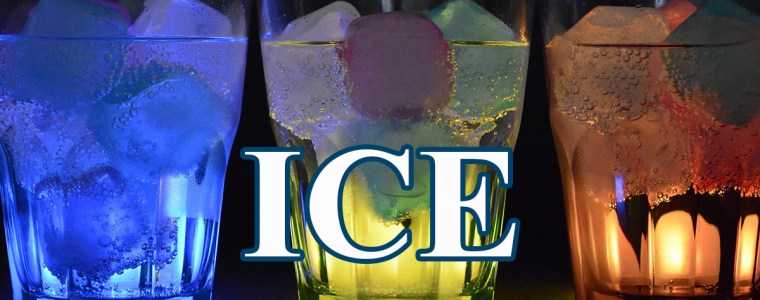
Water Quality and Affects on Ice Commercial ice machine manufacturers recommend using a water filter with every ice maker to prolong the life of the machine and increase customer satisfaction. Water hardness, chemicals and sediment in water can all affect ice…
Water Testing

Water acts as a natural solvent picking up particles, chemicals and contaminants that can affect food quality and equipment performance. Finding the right water solution for your business starts with a comprehensive on-site water analysis that provides a look at…
Water Filtration

Water Filtration removes unwanted impurities such as sediment, taste, odor, hardness and bacteria from water. Filtration is the process of passing a liquid or gas through a filter to remove solid particles. A water filter removes impurities using a fine…
Reverse Osmosis
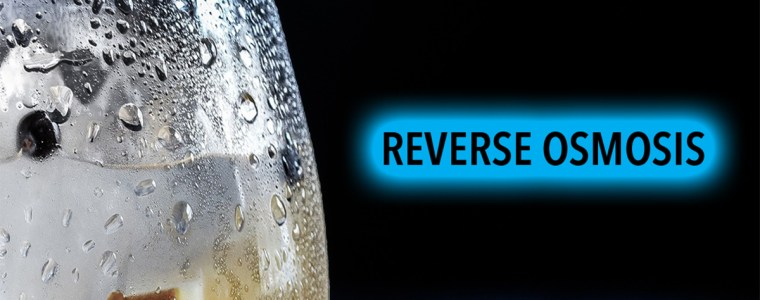
Reverse Osmosis is the process in which pure water is produced by forcing water through a semipermeable membrane across which impurities cannot pass, separating pure water from most of the substances dissolved within it. Reverse osmosis uses an applied pressure…
Water Softening

Water softening is the removal of calcium, magnesium and certain other cations in hard water. (A cation is an ion with a positive charge.) The resulting soft water requires less soap for the same cleaning effort as soap is not…
Hard Water
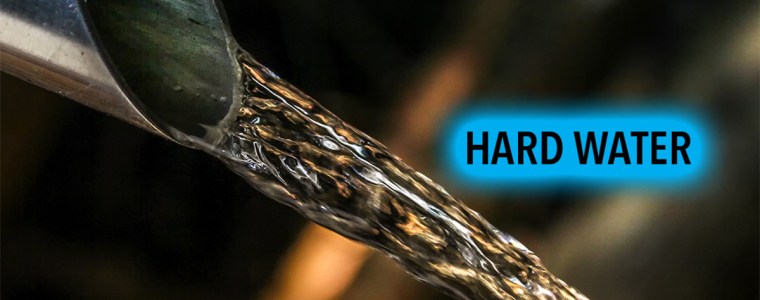
Hard water is water that has high mineral content, formed when water percolates through geological deposits such as limestone, chalk or gypsum which are largely made up of calcium and magnesium carbonates, bicarbonates and sulfates. Iron oxides or iron carbonates…
 Custom Water Solutions